
Fire Protection Surry Hills
Surry Hills is the hardest area here to assess, and the equipment has nothing to do with it. The building and its approval frequently describe different things.
- Each measure tested to its own AS1851-2012 frequency.
- Written findings issued after every attendance.
- Australian family owned since 2010.
- Silver member, Fire Protection Association of Australia.
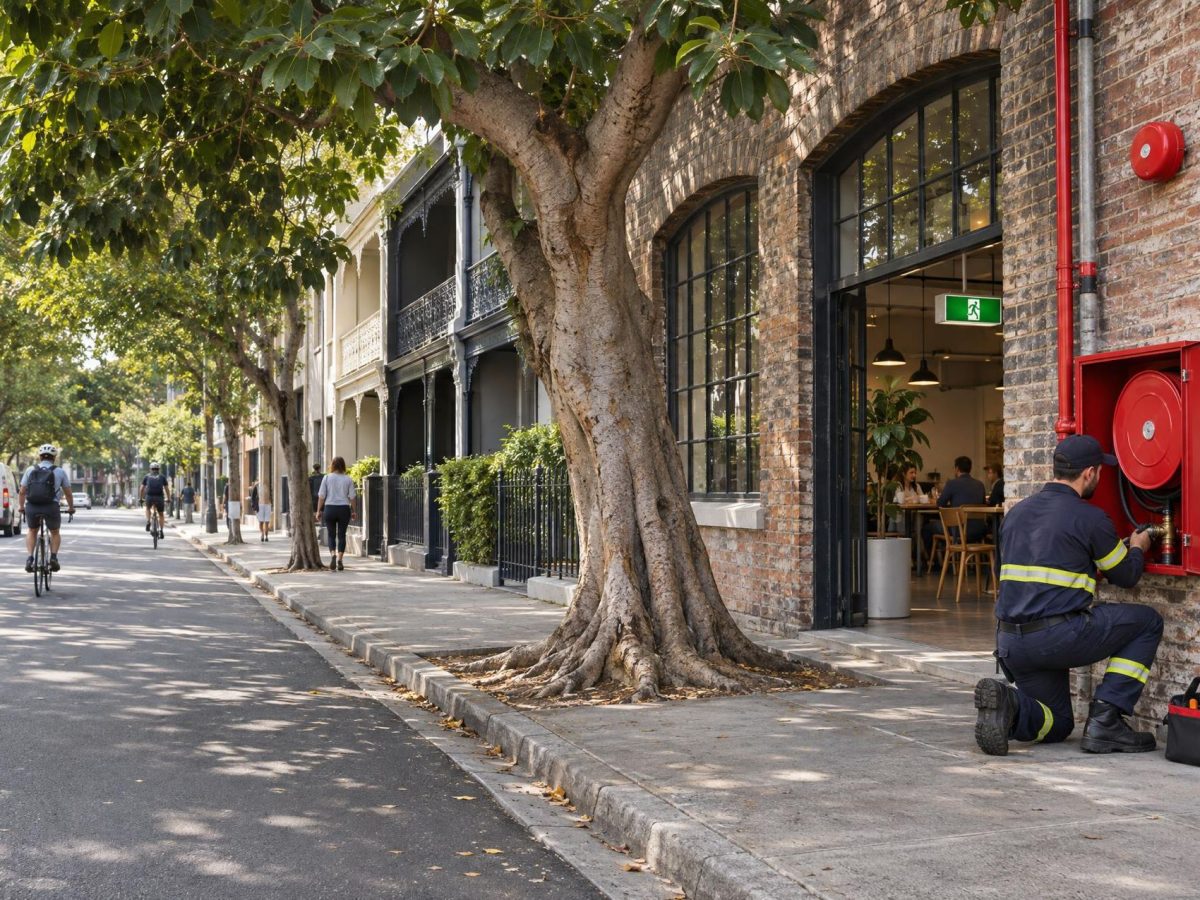
A terrace built as a residence, run as a restaurant, then a bar, then a small office, carries a Fire Safety Schedule that may only ever have captured one of those uses. A former warehouse converted to showroom and offices carries another. The measures reflect the use at consent.
The people inside reflect the use today.
What shapes fire protection work in Surry Hills?
Change of use. This is the defining issue. Occupant load drives egress and exit width, so a venue seating more people than the approval contemplated changes what the egress route has to do.
Converted stock. Terraces and former warehouses were never designed around modern schedules. Recent fit-outs are well documented because the City of Sydney is a demanding consent authority. Older conversions often are not.
Shared buildings. One building split across several tenancies, each assuming another is maintaining the shared measures, and nobody holding the whole picture.
Which fire protection services are available in Surry Hills?
Maintenance and inspection
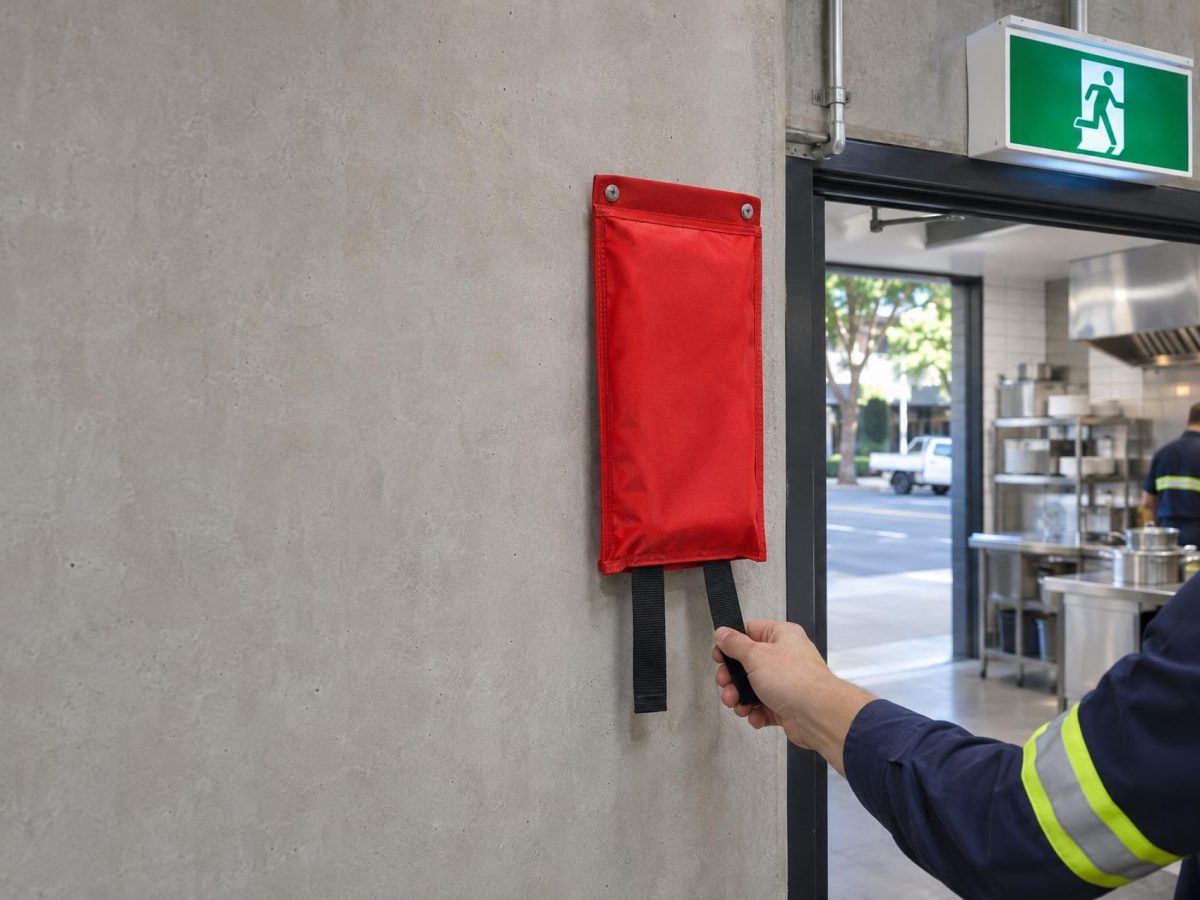
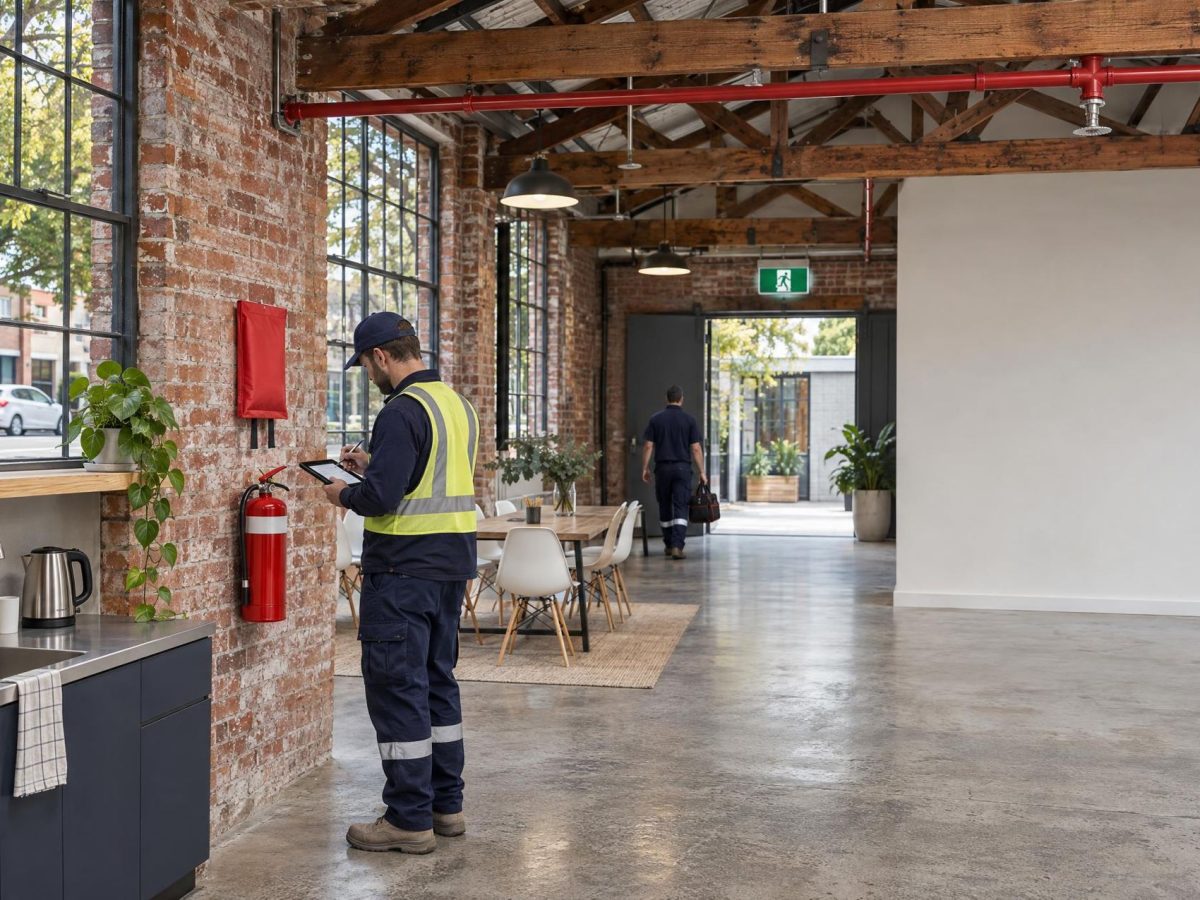
On hospitality floors the load sits with fire extinguishers, fire blankets and exit signs and emergency lighting, with fire doors and smoke alarms behind them.
Annual fire safety statements
Prepared against the schedule for the City of Sydney. AFSS Sydney
Change of use assessment
A review of what the building was approved as against what it now is, which usually has to happen before a statement can be prepared honestly. fire safety inspection Sydney
What does FireSafe cover around Surry Hills?
The Surry Hills portion of the City of Sydney and the blocks immediately adjoining it. Crown Street, Bourke Street, Devonshire Street, Foveaux Street, the surrounds of Central Station, and the run toward Redfern and Moore Park.
The stock is dominated by converted terraces and former warehouse buildings, with pubs, small bars, restaurants and cafes at street level and offices or apartments above. Newer residential sits along parts of Crown and Bourke, and light industrial remnants in the back blocks now hold workshops, studios and storage. Coverage across Sydney is on the areas we service page, with Bondi, Chatswood and Bankstown nearest.
What compliance rules apply in Surry Hills?
The City of Sydney, which the 2016 restructure left alone, so an approval from fifteen years ago traces to the same authority.
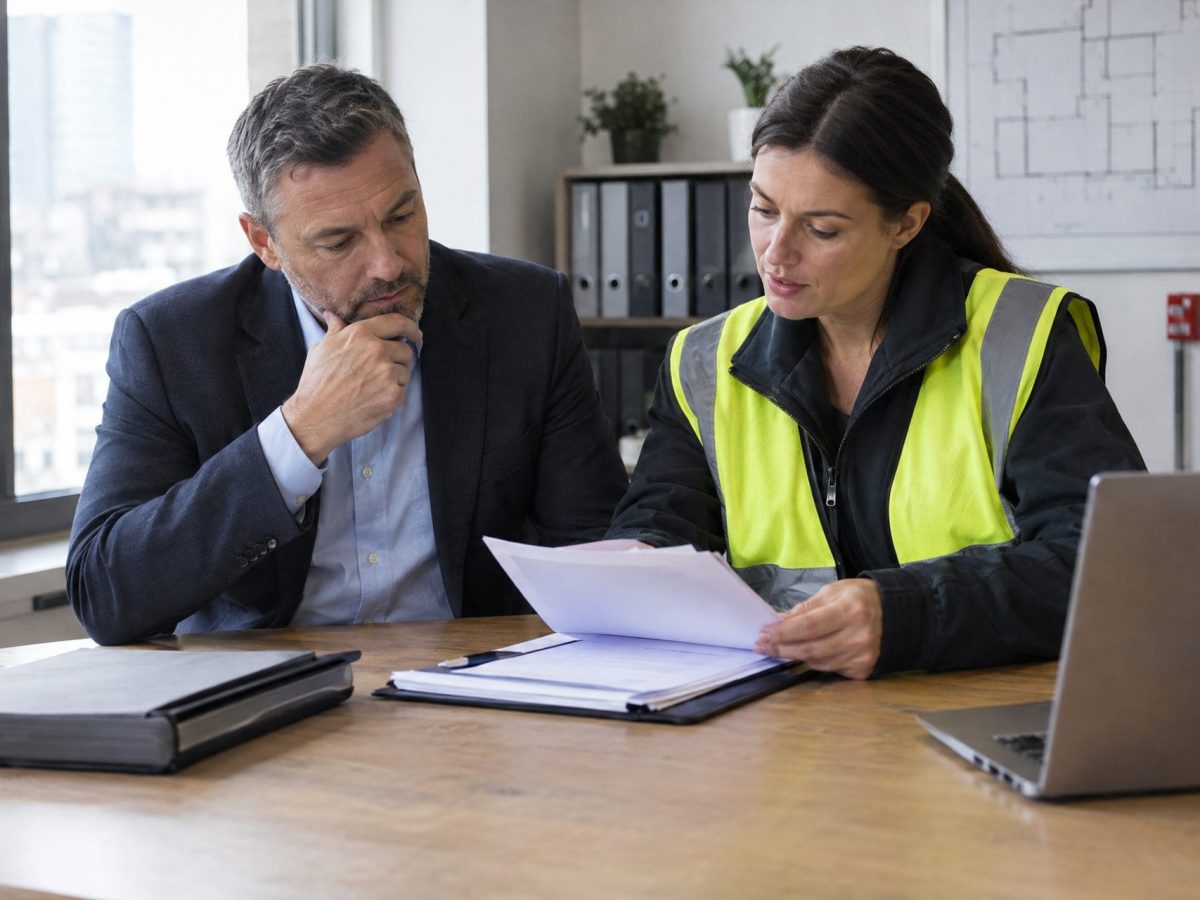
The statement goes to council against the Fire Safety Schedule, and that schedule is the only reliable record of what the building was ever approved to be.
Whether a competent practitioner is required is settled at the start, with the process in the AFSS guide for NSW.
When the approval and the use disagree
Where the documentation is thin, part of the job is establishing what the building was approved to be. That means starting from the consent and the schedule rather than from the equipment on the wall, then working forward to what the space is used for now.
Three patterns repeat. A ground floor restaurant with a rear addition used for storage or a cool room that was never in the assessed floor area. A building split across tenancies where the shared measures belong to nobody in particular. A change of use nobody revisited, so the file still describes the previous occupant. None of that is a contractor failure. It is what happens in a suburb where buildings change purpose more often than they change hands. The wider risk picture is in fire risk assessment for commercial buildings.
Frequently asked questions
Our venue was approved for fewer patrons than we now seat. Is that a fire issue?
It can be, since occupant load drives egress and exit requirements, so the approval and the current use get compared rather than assumed to match.
We lease a floor in a shared building. Who maintains the equipment?
The owner carries common property measures, tenants carry what they install, and sorting which is which is part of the assessment.
Which council do Surry Hills buildings lodge with?
The City of Sydney.
Can you work out what a building was originally approved for?
Usually, by starting from the consent and the schedule rather than the equipment currently installed.
First step
Send the address, what the space is used for now, and any approval documentation you hold. If the use changed since consent, say so, because that is the first thing worth checking.