
Fire Protection Services Across Sydney
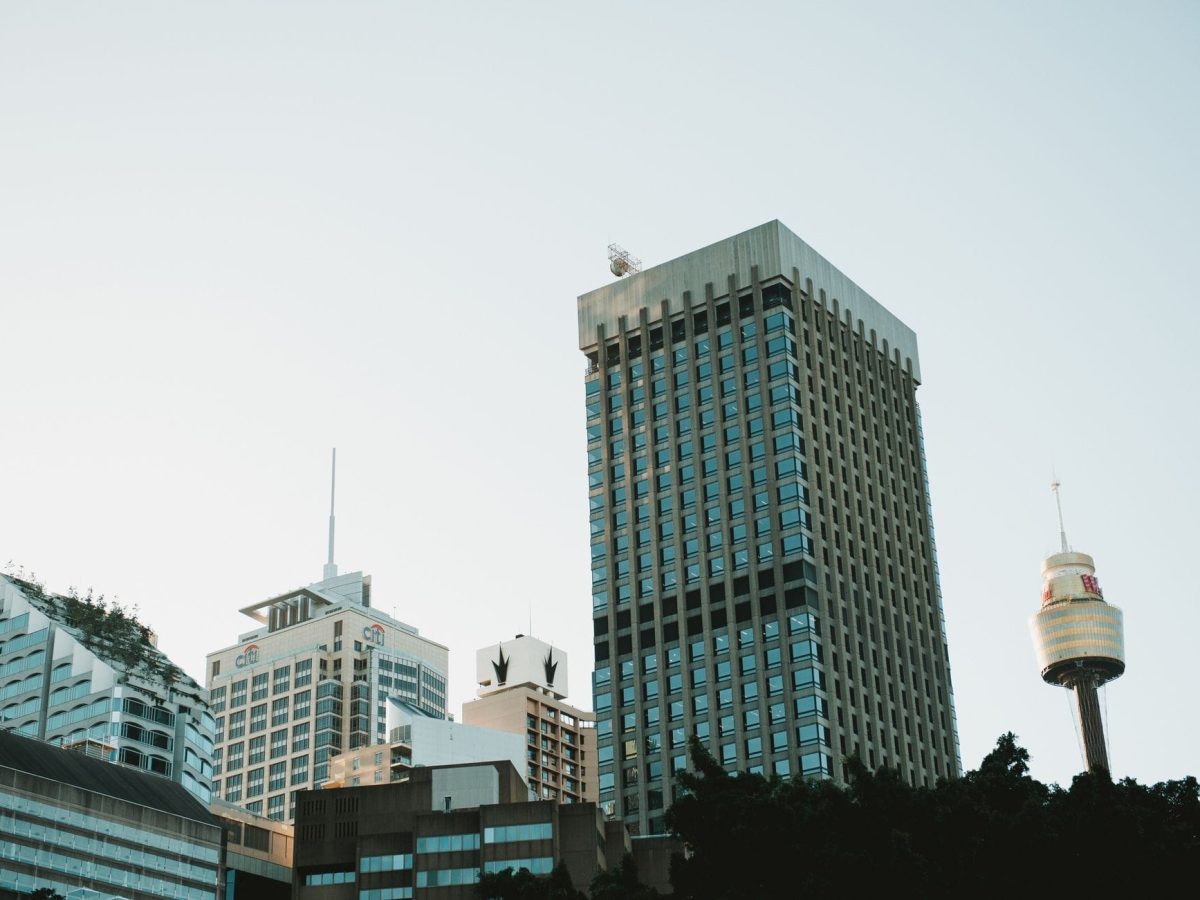
FireSafe provides fire protection services across the Sydney metropolitan area from a base at Chipping Norton, in the city's south west. Testing, inspection and maintenance run to AS1851-2012, and every site visit closes with a written report setting out what was found and what has to be done about it. The work is built for the people who sign the annual fire safety statement: building owners, owners corporations, strata managers and facility managers.
- AS1851-2012 alignment. Every routine service, test and inspection is scheduled and recorded against the standard the building is later measured by.
- A written report after every visit. Findings, photographs and the action required, issued once the technician leaves site.
- Established 2010, family owned. More than 50 years of combined industry experience across the senior team, and no subcontracting of the compliance position.
- FPA Australia Silver member. Current membership of the peak body for the fire protection industry.
- AFSS preparation and lodgement support. The statement is assembled from the inspection record, not from a signature at the end of the year.
FireSafe was established in 2010 by managing director David Sayes and remains a 100% Australian family owned business. Its key personnel carry more than 50 years of combined fire protection experience, and it is a Silver Member of the Fire Protection Association of Australia.
Sydney is not one market. A tower in Parramatta, a warehouse in Penrith and a restaurant strip in Bondi sit under different councils, in different building stock, on different inspection cycles. The standard behind the work does not change. The schedule, the lodgement pathway and the council you deal with do.
Where does FireSafe work?
Travel is scheduled rather than improvised. A building in Penrith and a building in Bondi sit on the same inspection cycle, not on a "when we are next out that way" arrangement, and the inspection date is confirmed against the property address before it is booked.
-
Liverpool City Council
Liverpool
Liverpool is the only area here where the contractor and the building report to the same council.
Fire protection in Liverpool -
The City of Parramatta
Parramatta
Parramatta is the only place in Western Sydney where the compliance problem is vertical.
Fire protection in Parramatta -
Canterbury-Bankstown
Bankstown
Bankstown is four markets wearing one council's name.
Fire protection in Bankstown -
Willoughby City Council
Chatswood
Chatswood stacks three property types inside one CBD.
Fire protection in Chatswood -
Penrith City Council
Penrith
Warehouse compliance is decided by distance.
Fire protection in Penrith -
The Hills Shire Council
Baulkham Hills
The Hills holds three unrelated compliance problems inside one council.
Fire protection in Baulkham Hills -
The City of Sydney
Surry Hills
Surry Hills is the hardest area here to assess, and the equipment has nothing to do with it.
Fire protection in Surry Hills -
Waverley Council
Bondi
Bondi puts heavy occupancy into small buildings.
Fire protection in Bondi -
The City of Ryde
Ryde
Ryde holds three building types with almost nothing in common, within a few kilometres of each other.
Fire protection in Ryde
FireSafe works across the Sydney metropolitan area. The full run of Greater Sydney local government areas is covered: Bayside, Blacktown, Blue Mountains, Burwood, Camden, Campbelltown, Canada Bay, Canterbury-Bankstown, Cumberland, Fairfield, Georges River, Hawkesbury, Hills Shire, Hornsby, Hunters Hill, Inner West, Ku-ring-gai, Lane Cove, Liverpool, Mosman, North Sydney, Northern Beaches, Parramatta, Penrith, Randwick, Ryde, Strathfield, Sutherland Shire, Sydney, Waverley, Willoughby, Wollondilly and Woollahra.
What does fire protection across Sydney cover?
Three service lines run through every area, and they are the same service whether the building is in Penrith or in Chatswood.
Fire equipment maintenance and inspection
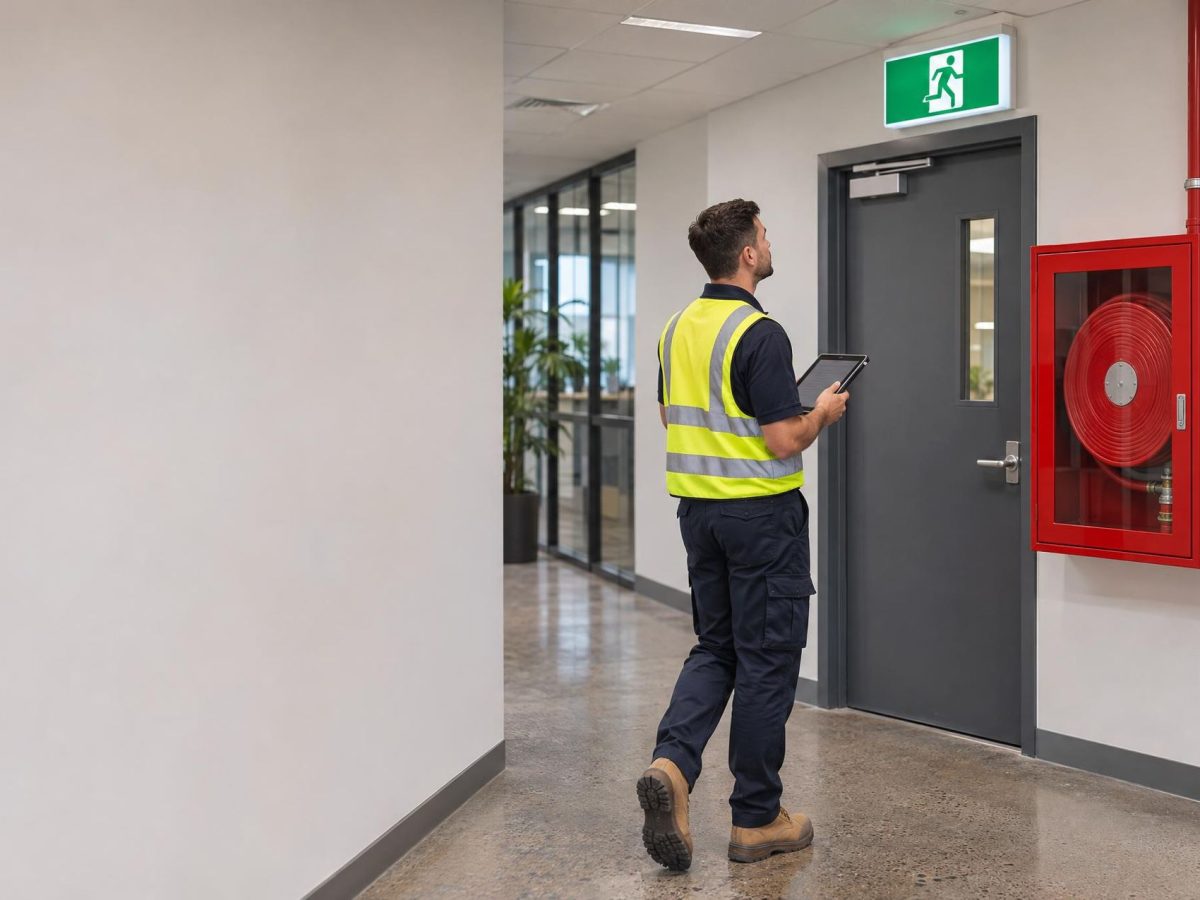
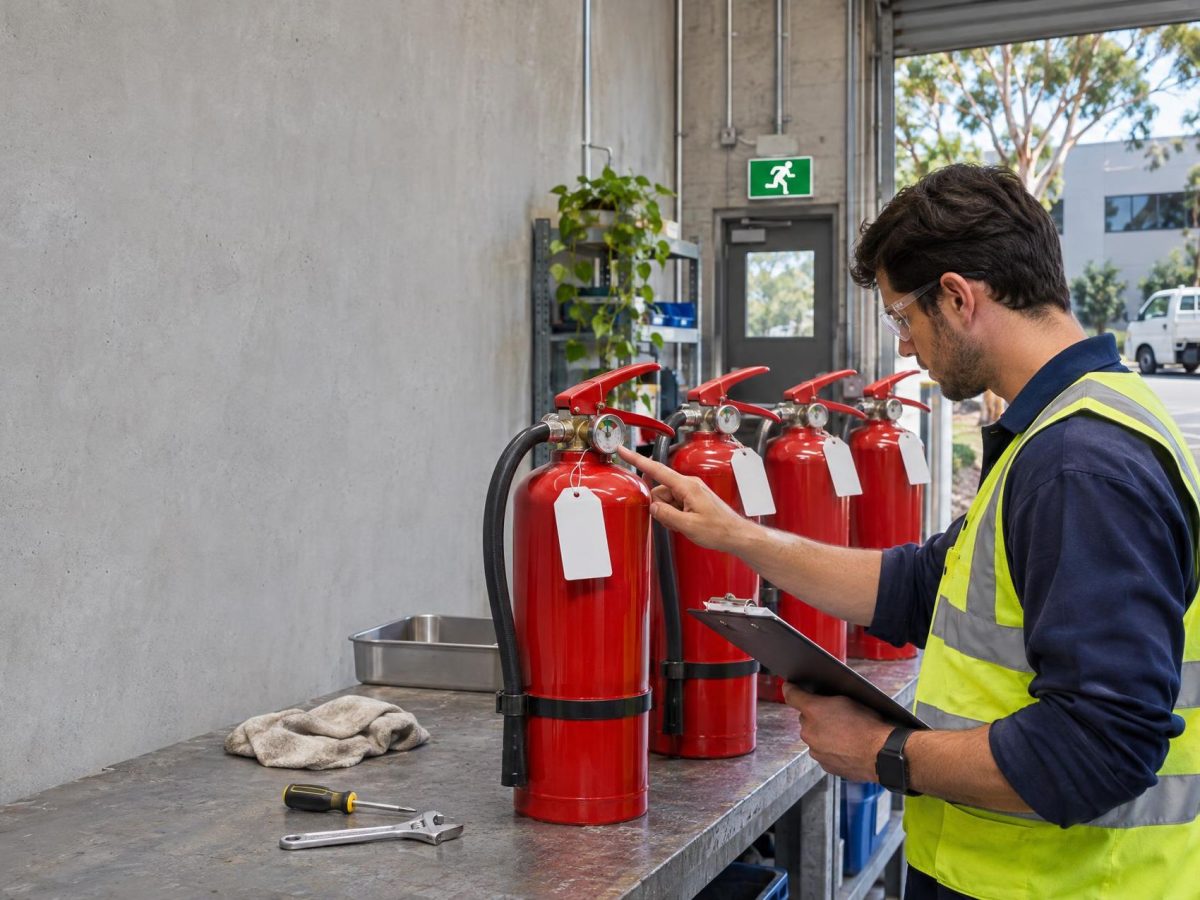
Routine servicing of every essential fire safety measure on the building’s schedule, at the AS1851-2012 frequency for that measure. The list is longer than most owners expect: fire extinguishers, fire hose reels, hydrants and pump sets, smoke alarms, fire doors, exit signs and emergency lighting, fire alarm panels, sprinkler systems, fire blankets and EWIS and building occupant warning systems. Each one runs on its own cycle. A single annual visit does not satisfy the standard on its own. fire equipment maintenance Sydney
Annual fire safety statements
Each measure assessed against the building’s Fire Safety Schedule, the results compiled, and the statement prepared for lodgement with the local council. The value sits in the assessment behind the signature, not in the signature. AFSS Sydney
Fire safety inspections
Inspection of a building against its own schedule, for a buyer, an incoming managing agent, a committee that has inherited an old contract, or an owner answering a council fire safety order. fire safety inspection Sydney
Beyond the equipment
FireSafe also runs fire warden training, first response firefighting training, and the design and implementation of emergency evacuation plans and procedures, so the people inside the building know what to do when the systems are the only thing between them and a fire.
How the NSW compliance chain works
Three documents decide what happens to a building, and they are not interchangeable.
- The Fire Safety Schedule is attached to the development consent. It lists the essential fire safety measures for that building and the standard each one has to meet. Everything else flows from it, which is why an owner who has never seen their schedule is working blind.
- Each essential fire safety measure on that schedule carries its own servicing and inspection frequency under AS1851-2012. Extinguishers, exit signs and emergency lighting cycle faster than hose reels, hydrants and sprinklers, so the compliance calendar is itemised rather than annual. The frequency for each measure is set out in the equipment testing frequencies table.
- The annual fire safety statement is the yearly assessment against that schedule, prepared and lodged with the council that issued the consent. Where a competent fire safety practitioner is required for the assessment, that requirement is confirmed at the start of an engagement rather than discovered at lodgement.
Why the council matters
Lodgement goes to the council that issued the schedule, and that council may no longer exist under the name printed on the building's paperwork. The 2016 amalgamations redrew most of southern and inner Sydney:
| Former council on the building's documents | Current council |
|---|---|
| Hurstville, Kogarah | Georges River |
| Rockdale, Botany | Bayside |
| Ashfield, Leichhardt, Marrickville | Inner West |
| Auburn, Holroyd | Cumberland |
| Bankstown, Canterbury | Canterbury-Bankstown |
| Manly, Warringah, Pittwater | Northern Beaches |
An owner who has held the same building for fifteen years can still be filing under a council that ceased to exist a decade ago. Where a council has issued a fire safety order, the clock starts on the response.
What buildings does FireSafe work in?
Commercial and industrial premises, strata and residential body corporate buildings, retail and government facilities. Each carries a different set of obligations and a different expectation of the report, so the report is written for the party receiving it rather than to one template across all four. High-rise residential sits alongside the commercial work rather than apart from it, and the measure list on those buildings is usually the longest of the four.
Move the inspection before the statement is due
An annual fire safety statement records a point in time. A defect found the week it falls due has to be disclosed rather than fixed, which turns a serviceable item into a compliance problem. FireSafe schedules inspections with enough runway to rectify anything that fails first. Where a building is heading into a busy period, the fire safety checklist for Sydney buildings is a useful starting point before the inspection is booked.
If the building is a warehouse or industrial premises, the recurring issues are documented separately: fire protection for warehouse and industrial buildings.
Frequently asked questions
Which parts of Sydney does FireSafe cover?
All of Sydney, from a Chipping Norton base in the south west. That includes the Northern Beaches, the Hills District, Parramatta and Western Sydney, the Shire and the Blue Mountains, not only the nine areas with a page of their own. Confirm the property address when booking and the inspection is scheduled against it.
What is an annual fire safety statement?
The yearly statement confirming that each essential fire safety measure on a building’s Fire Safety Schedule has been assessed and performs to the required standard. It is prepared after inspection and lodged with the local council. The process in full is set out in the AFSS guide for NSW.
How often does fire equipment need to be tested?
Frequencies come from AS1851-2012 and differ by measure. Extinguishers, exit signs and emergency lighting fall on shorter cycles than hose reels, hydrants and sprinklers, which is why one annual visit does not meet the standard on its own. The frequency for each measure is in the equipment testing frequencies table.
Which council do we lodge our statement with?
The council that issued the Fire Safety Schedule, which is generally the council that granted the development consent. Where councils have amalgamated since the consent was issued, the statement now goes to the successor council listed above.
What is the difference between an AFSS and a fire safety certificate?
A fire safety certificate is issued at completion, confirming the measures were installed as required. An annual fire safety statement is the recurring yearly assessment that they still perform. fire safety certificate Sydney covers the first of those in detail.
Does FireSafe service strata buildings?
Yes. Strata and residential body corporate buildings are core work, alongside commercial, industrial, retail and government premises.
What does servicing cost?
It depends on the measure count and what the schedule requires. Extinguisher servicing is the most common starting point and is priced per unit, so what fire extinguisher servicing costs is the most useful place to begin.
How do we know FireSafe is the right fire protection company in Sydney?
Ask for the inspection reports from the last two visits and read them side by side. A report that lists what was tested, what failed and what is required is the only evidence that matters, and any fire protection company in Sydney should be willing to hand them over.
First step
Send the property address, the building type and whatever documentation is already on hand: the Fire Safety Schedule, the current maintenance contract, recent service reports or last year's statement. FireSafe will confirm whether the work is a routine inspection, an AFSS assessment or a response to a council order, and what it takes to get the building compliant.