Three terms get used as though they mean the same thing, and they do not.
Understanding the difference decides what you are buying, and whether the actual question gets answered.
How does an audit differ from an inspection and a statement?
An audit looks at the whole system. Are the right measures in place, are they on the schedule, are they serviced on the right cycle, are the records complete and consistent, and do the documents describe the building that actually exists.
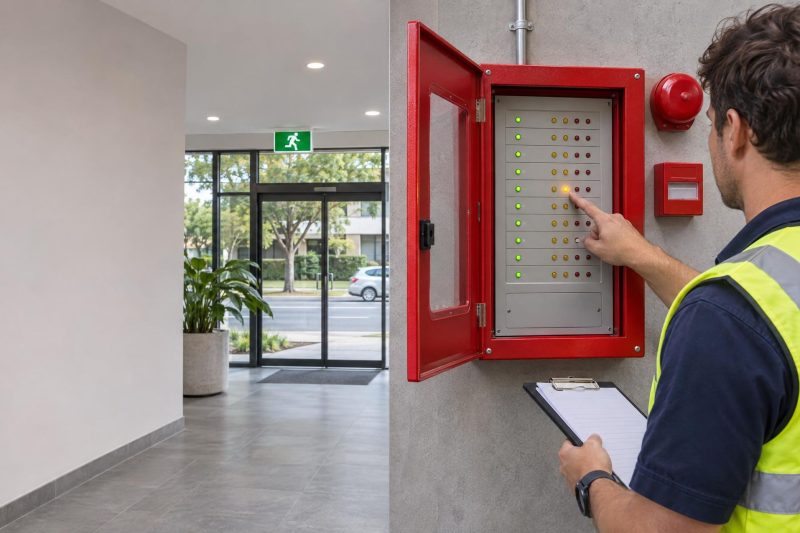
An inspection verifies a building against its schedule. It answers whether the listed measures are present and performing.
The annual fire safety statement is a yearly declaration to council that each scheduled measure has been assessed and performs. It is a statement, not an investigation.
In practice, an audit is the only one of the three that can tell you whether the schedule itself is still correct. An inspection can confirm that every measure on a wrong schedule is working perfectly, which is a comfortable answer that misses the point.
The statement process is in the AFSS guide for NSW, and the schedule itself is explained in Fire Safety Schedule explained.
What triggers an audit?
Six situations, and they usually arrive without warning.
A new managing agent or building manager. The incoming party inherits a building and a set of claims about it. An audit establishes what is true before they sign off on anything.
A council fire safety order. Once an order is issued the clock runs on the response. An audit establishes the true state and the required rectification scope. The order process is in council fire safety order.
An insurer’s request. Insurers increasingly ask for evidence of maintenance and record keeping, particularly after a claim or on renewal.
A purchase or due diligence. A buyer needs to know what they are inheriting, including liabilities that are not visible.
A committee change. A new owners corporation committee is often told the building is compliant. An audit tests that.
A scheduled internal review. Some larger portfolios audit on rotation regardless of trigger, which is the cheapest way to find problems.
What does an audit actually examine?
Five areas.
The Fire Safety Schedule. Is it current, does it match the building, and are all listed measures present. Schedules drift after alterations, changes of use and tenancy amalgamations.
Documentation and records. Are service records complete, itemised and consistent with the schedule. Do the dates line up. Is there a gap where a contractor changed.
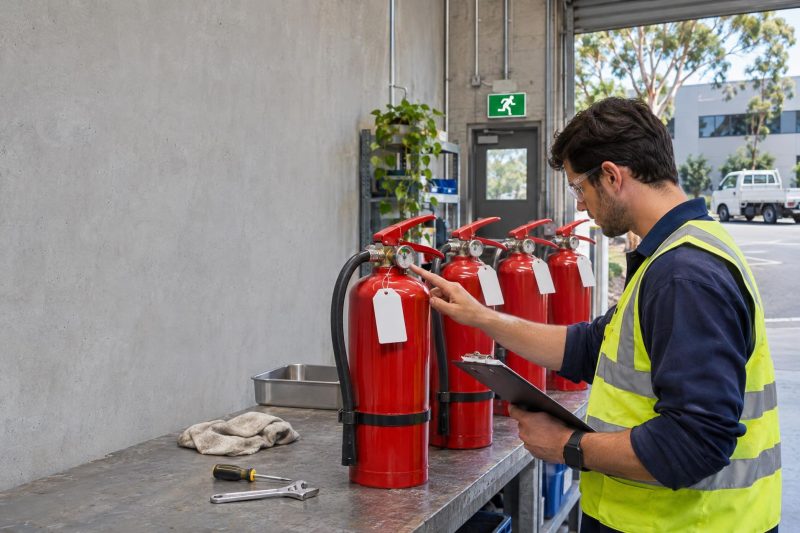
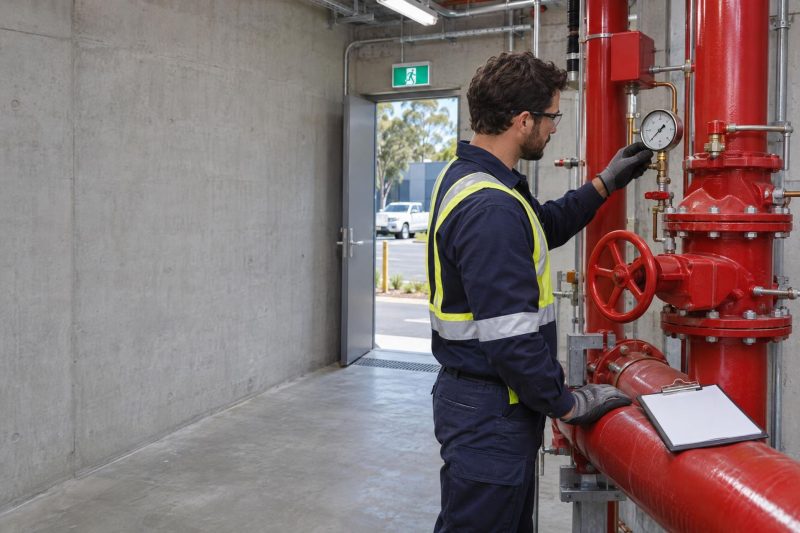
The physical condition of measures. Are the scheduled measures present, accessible and in working order.
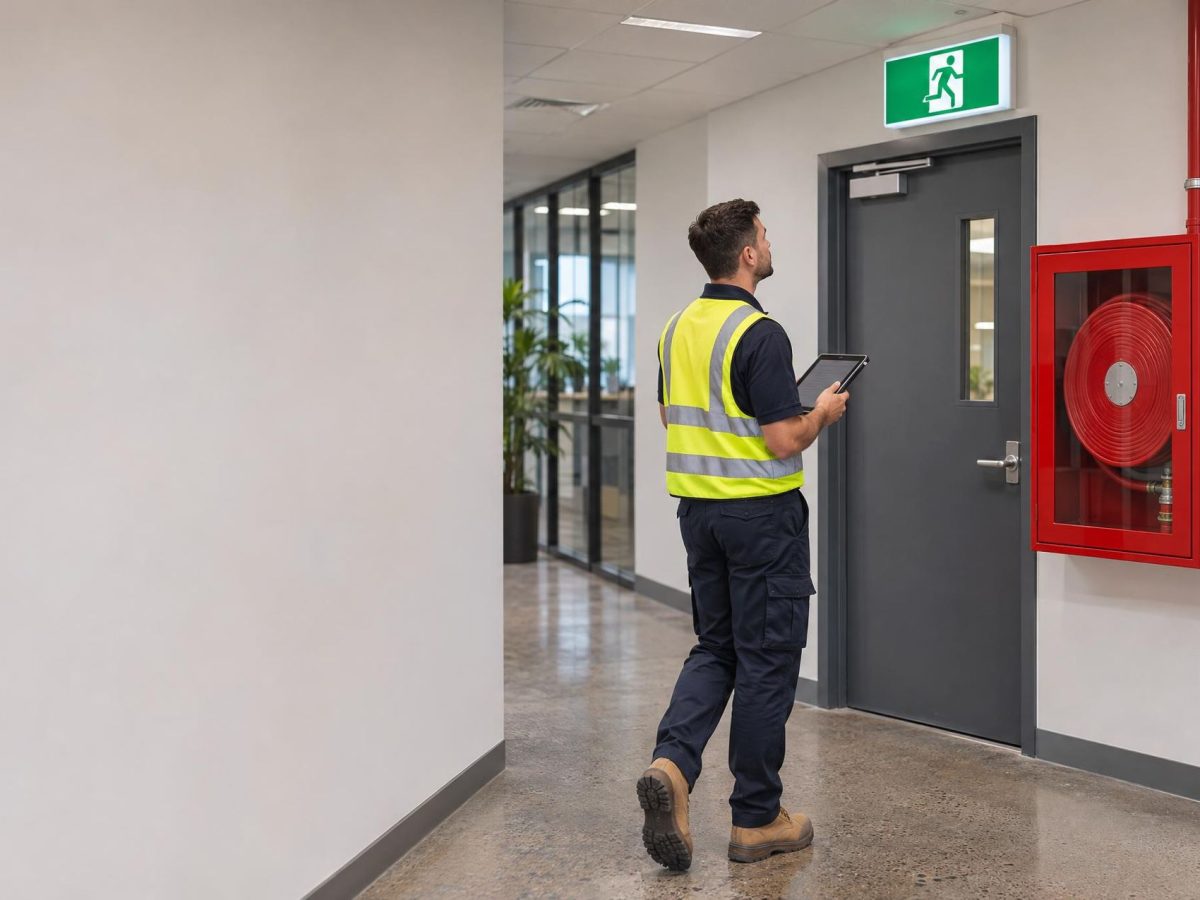
The building fabric. Are rated elements intact, doors functioning, and penetrations properly sealed. This is where audits find the most, because it is where daily building activity does the most damage.
Management arrangements. Who is responsible, what the maintenance programme is, whether isolations are controlled, and whether there is a process for changes of use or fit-outs.
That last item is often the most revealing. A building can have good equipment and no management system, in which case the equipment will degrade predictably.
What should a usable audit report contain?
Five things, and a report missing any of them is not actionable.
Findings by measure, with physical evidence and the schedule reference for each.
A distinction between compliance gaps and risks. A missing seal and an out-of-date register entry are not the same problem, and a report listing them identically is not useful.
Prioritisation. What needs fixing before the statement, what needs fixing this quarter, and what is a capital item.
Cost and disruption indication for the significant items, so a committee can plan rather than react.
A clear statement of what could not be verified, rather than silence. If the rated construction drawings do not exist, that is a finding.
What are the recurring findings?
Four, across most Sydney buildings.
Schedules that no longer describe the building. Because alterations, changes of use and tenancy amalgamations happened without the schedule being revisited.
Fabric defects from fit-outs. Penetrations sealed incorrectly or not at all, doors compromised.
Record gaps. A year serviced by one contractor and a year by another, with no reconciliation and a period nobody can account for.
Isolations left in place. Particularly on detection, and particularly after works.
The pattern is consistent: the equipment is usually in better condition than the paperwork, and the paperwork is usually in better condition than the building fabric.
When is an audit not the right answer?
When the question is narrower than the audit.
If the only question is whether a specific measure works, an inspection answers it. If the only question is what goes on the annual statement, the statement process answers it. The inspection service is on the fire safety inspections page.
An audit is the right purchase when the question is whether the building is actually being managed for fire safety, and what has been inherited. That is a bigger question than most people realise until something goes wrong.
Frequently asked questions
What is a fire safety audit?
A whole-of-building examination of fire safety arrangements, covering the schedule, records, physical condition of measures, building fabric and the management system behind them.
How is it different from a fire safety inspection?
An inspection verifies measures against the schedule. An audit also tests whether the schedule is correct, whether records are complete, and whether the building is being managed.
What triggers a fire safety audit?
A new managing agent, a council fire safety order, an insurer’s request, a property purchase, a committee change, or a scheduled internal review.
How long does an audit take?
It depends on building size, the number of measures, and how much documentation exists. A building with complete drawings and records is faster than one where assessment begins from deduction.
Does an audit replace the annual fire safety statement?
No. The statement is a statutory lodgement. An audit is a management tool that may inform it but does not substitute for it.
What happens after an audit?
The report is prioritised into pre-statement items, near-term items and capital items, and the building works through them. The audit creates the plan.
Can an audit find problems the annual statement would miss?
Yes, particularly around the schedule itself, record gaps, building fabric and management arrangements. The statement tests scheduled measures, not the correctness of the schedule.
Is an audit worth it for a small building?
Often yes, and sometimes more so. A small building usually has no facilities manager, so nobody is cross-checking whether obligations are met.

Written by FireSafe AU. Australian family owned since 2010 and a Silver Member of the Fire Protection Association of Australia. Testing, inspection and maintenance to AS1851-2012 across Sydney.